
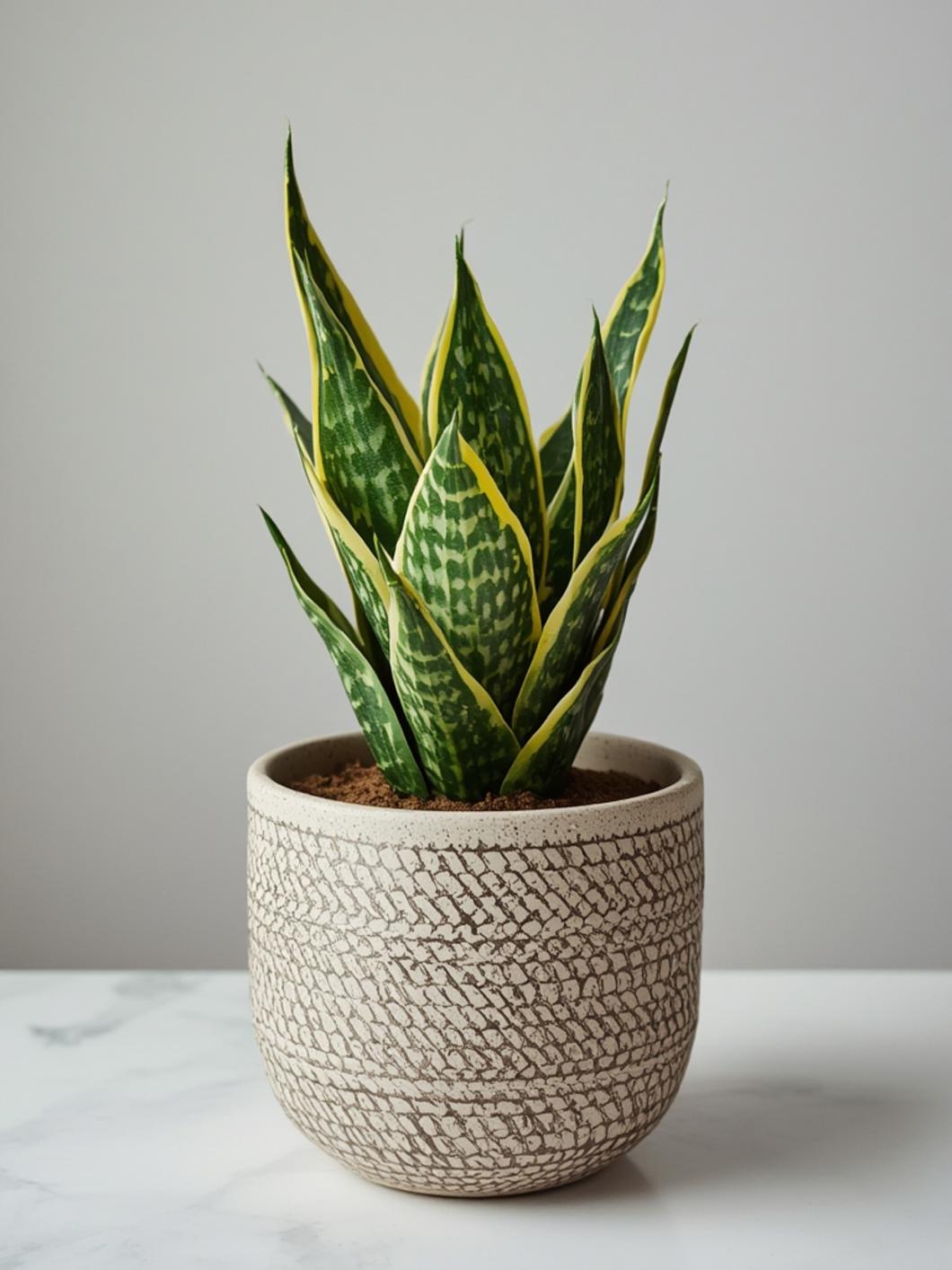
Quickest way to grow Snake plant: 5 Easy Tips Snake plant


Indoor plants have become increasingly popular for their aesthetic appeal and air purifying qualities. Among these houseplants, the Snake plant stands out for its striking appearance and remarkable resilience.
Also known as Sansevieria, this succulent is perfect for beginners and busy individuals who want to bring greenery into their homes without the commitment of high-maintenance care.
With its sword-like leaves and ability to thrive in various conditions, the Snake plant has earned its reputation as one of the most forgiving houseplants available.
Table of Contents
Step-by-Step Instructions
1. Choosing the Right Pot
Select a container with drainage holes that’s only slightly larger than the root ball of your Snake plant. These plants prefer to be somewhat root-bound and can rot if placed in overly spacious pots. Terracotta pots are ideal for Sansevieria as they allow excess moisture to evaporate through their porous material.
2. Soil Preparation
Use well-draining cactus or succulent mix, or create your own by combining regular potting soil with perlite or coarse sand in a 2:1 ratio. This ensures proper drainage and prevents root rot, which is crucial for the plant’s health.
3. Watering Schedule
Water sparingly – only when the soil has completely dried out. During growing season (spring and summer), this might mean watering every 2-3 weeks, while in winter, you may only need to water once a month. Always check soil moisture by inserting your finger about 2 inches deep before watering.
4. Light Requirements
Place your plant in indirect light, though it can tolerate low light conditions. Eastern or western-facing windows provide ideal lighting. While they can survive in darker corners, they grow faster and develop more vibrant colors in brighter locations.
5. Propagation
Divide the plant during repotting by cutting the rhizome with a clean, sharp knife. Ensure each section has both roots and leaves, then plant in appropriate soil. Alternatively, take leaf cuttings by cutting leaves into 2-3 inch segments and placing them in soil with the same orientation they had on the mother plant.
Tips
- 1. Dust the leaves regularly with a damp cloth to keep them looking vibrant and to help the plant photosynthesize efficiently.
- 2. Avoid overwatering at all costs – these plants are more likely to die from too much water than too little.
- 3. Fertilize sparingly using a balanced houseplant fertilizer at half-strength once or twice during the growing season.
- 4. Watch for pests like mealybugs and spider mites, especially if the plant is stressed from improper care.
- 5. Be patient – these plants grow slowly, especially in less-than-ideal conditions.
Alternative Methods
Hydroponics
Mother-in-law’s tongue (another common name for these plants) can be grown in water. Simply place leaf cuttings in a container with enough water to cover the bottom inch of the cutting. Change the water weekly to prevent bacterial growth.
Outdoor Growing
In USDA zones 9-11, these hardy plants can be grown outdoors in well-draining soil. They make excellent border plants and can handle partial shade to full sun once established. Just ensure they’re protected from frost.
Kokedama Style
Create a moss ball planting for a striking display by wrapping the root ball in moss and securing it with string. This Japanese technique requires more frequent misting but creates a stunning visual effect.
Conclusion
The Snake plant is truly the ultimate houseplant for beginners and experts alike. Its ability to adapt to various conditions while maintaining its striking appearance makes it a favorite in interior design. Whether you’re a first-time plant parent or an experienced gardener, the Sansevieria offers the perfect combination of beauty and low-maintenance care. By following these simple guidelines, you’ll enjoy a healthy, thriving plant that can potentially remain in your home for decades, purifying your air and adding a touch of natural elegance to any space.