
Best way to grow Snake plant: 5 Easy Tips Snake plant


Are you looking for a low-maintenance houseplant that can thrive even with minimal attention? The Snake plant, also known as Sansevieria, is an excellent choice for both beginners and experienced plant parents. This resilient succulent not only purifies the air but also adds a striking architectural element to any space. Growing a Snake plant at home is remarkably simple and requires very little time investment compared to other houseplants.
Materials & Supplies
To successfully grow and care for your Snake plant, you’ll need:
- Pot with drainage holes – Terracotta or ceramic works best
- Well-draining potting mix – Cactus or succulent mix is ideal
- Snake plant cutting or small plant – Available at most garden centers
- Small garden trowel – For planting and repotting
- Watering can – With a narrow spout for controlled watering
- Pruning shears – For occasional trimming (optional)
- Liquid fertilizer – Diluted to half-strength (optional)
- Neem oil – For pest prevention (optional)
Timing / Growing Schedule
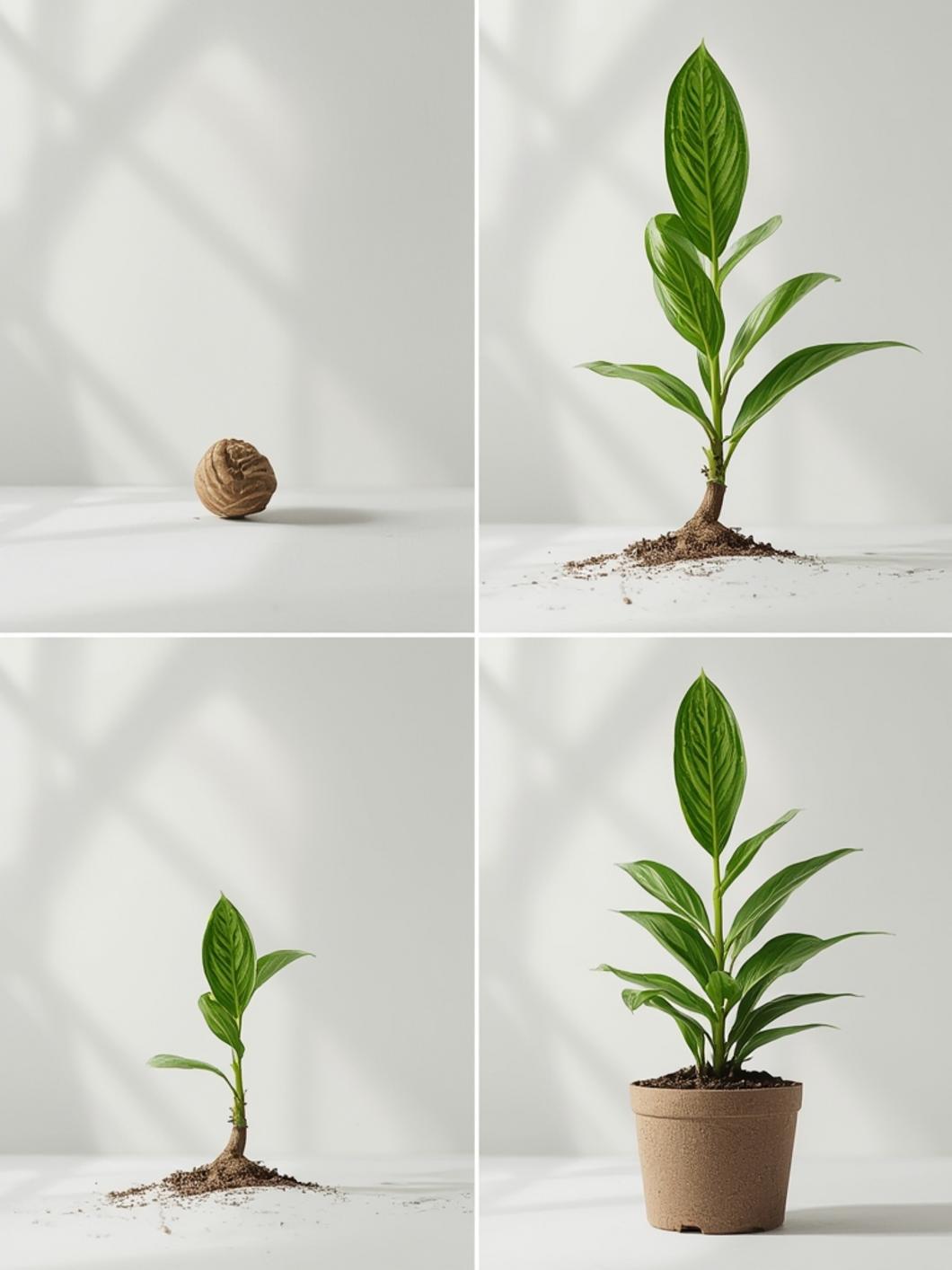
Snake plants are year-round indoor plants with no specific growing season. Here’s what to expect:
- Initial establishment: 2-4 weeks after planting
- Growth rate: Slow to moderate (1-2 new leaves every few months)
- Repotting schedule: Every 2-3 years or when rootbound
- Maturity: Reaches full size in 3-5 years, depending on variety
Unlike seasonal plants, Sansevierias grow consistently throughout the year with slightly faster growth during spring and summer months.
Step-by-Step Instructions
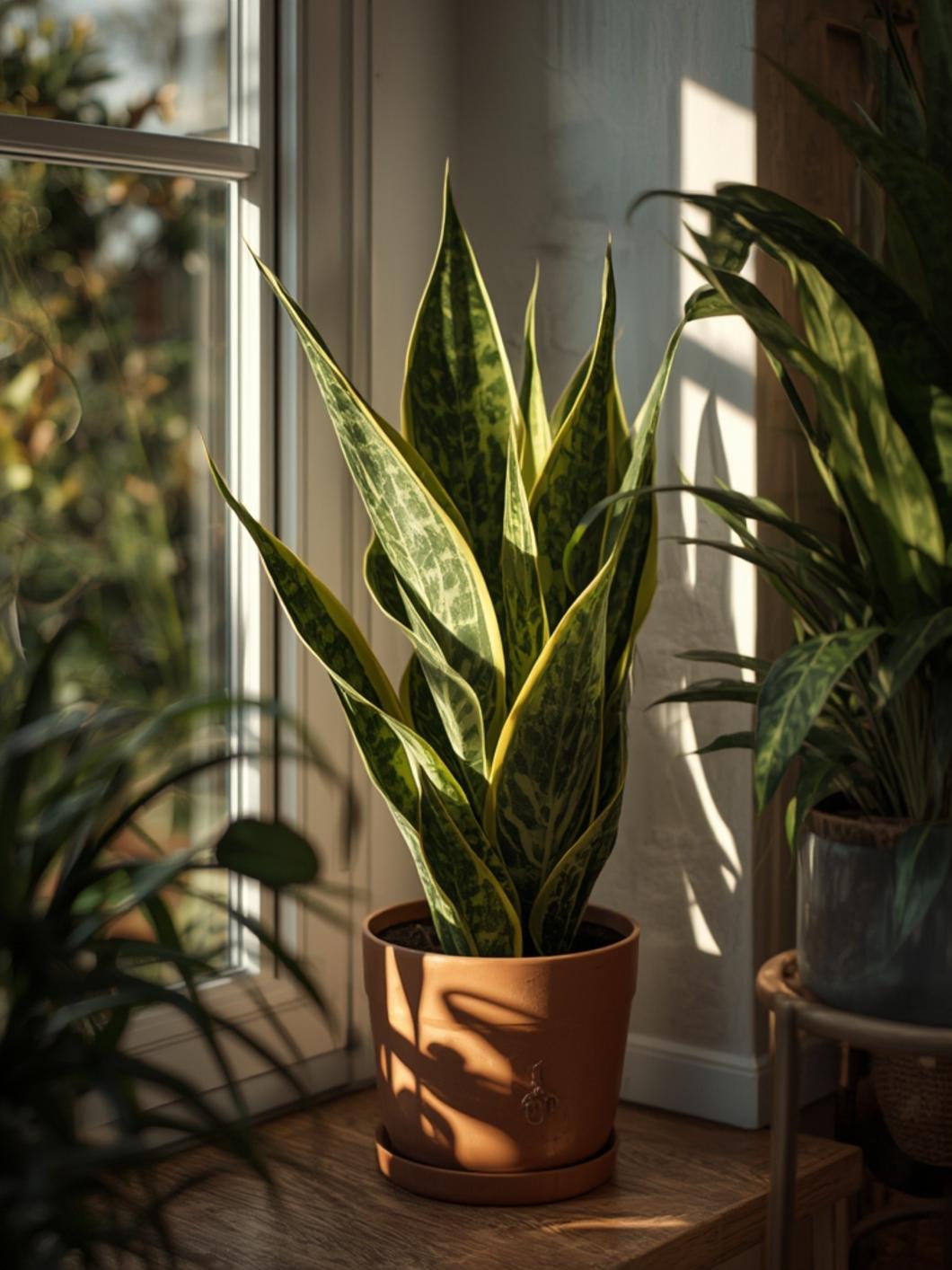
1. Choose the right pot: Select a container only slightly larger than the root ball as Snake plant prefers to be somewhat rootbound.
2. Prepare the potting mix: Combine cactus soil with perlite (3:1 ratio) to ensure excellent drainage. Sansevieria roots will rot in soggy soil.
3. Planting: Place your plant at the same depth it was in its nursery pot, gently pressing soil around the base.
4. Initial watering: Water thoroughly until it drains from the bottom, then allow to dry completely before watering again.
5. Placement: Position in indirect light, though they tolerate low light and can adapt to brighter conditions gradually.
Nutritional Benefits / Advantages
Snake plants are renowned air purifiers that:
- Remove toxins like formaldehyde, benzene, and xylene
- Release oxygen at night, making them ideal bedroom plants
- Increase humidity in dry indoor environments
- Reduce airborne allergens
- Provide stress-reducing benefits as proven by NASA clean air studies
Tips, Alternative Methods, or Gardening Advice
- Propagation: Divide mature plants by cutting the rhizome with roots attached, or propagate leaf cuttings in water or soil
- Lighting variations: While they prefer indirect light, they can adapt to full sun with gradual acclimation
- Container options: Try growing in decorative containers without drainage by using the double-pot method
- Grouping plants: Create an attractive display by grouping different Sansevieria varieties together
Common Mistakes to Avoid

- Overwatering: The most common killer of Snake plants – wait until soil is completely dry before watering
- Using regular potting soil: Too moisture-retentive; always use well-draining cactus mix
- Cold exposure: Keep away from drafty windows in winter; they prefer temperatures above 50°F
- Frequent repotting: They prefer being slightly rootbound; only repot every few years
Storage / Maintenance Tips
- Watering routine: Water sparingly – once every 2-4 weeks in growing season, less in winter
- Cleaning: Wipe leaves occasionally with a damp cloth to remove dust
- Fertilizing: Apply diluted fertilizer once in spring and once in summer
- Pruning: Remove damaged leaves at the base with clean, sharp scissors
- Pest management: Monitor for mealybugs and spider mites; treat with neem oil if needed
Conclusion
Growing a Snake plant at home is incredibly rewarding with minimal effort required. Their striking appearance and air-purifying qualities make them perfect for any indoor space. Whether you’re a first-time plant parent or an experienced gardener, the adaptable Sansevieria is sure to thrive in your care. Why not start your collection today? Share your Snake plant growing journey in the comments below!
FAQs
How often should I water my Snake plant?
Water only when the soil is completely dry, typically every 2-4 weeks depending on your home’s conditions. During winter, reduce watering to once a month.
Can Snake plants survive in bathrooms with little light?
Yes, they’re one of the few plants that can tolerate low light conditions, making them ideal for bathrooms, though they may grow more slowly.
Why are my Snake plant’s leaves falling over?
Flopping leaves usually indicate overwatering or insufficient light. Ensure proper drainage and move to a brighter location if needed.
Are Snake plants toxic to pets?
Yes, they contain saponins that can cause digestive upset in cats and dogs if ingested. Keep them out of reach of curious pets.
How do I know when to repot my Snake plant?
Repot when you notice roots growing through drainage holes or when the plant becomes top-heavy and unstable, typically every 2-3 years.