
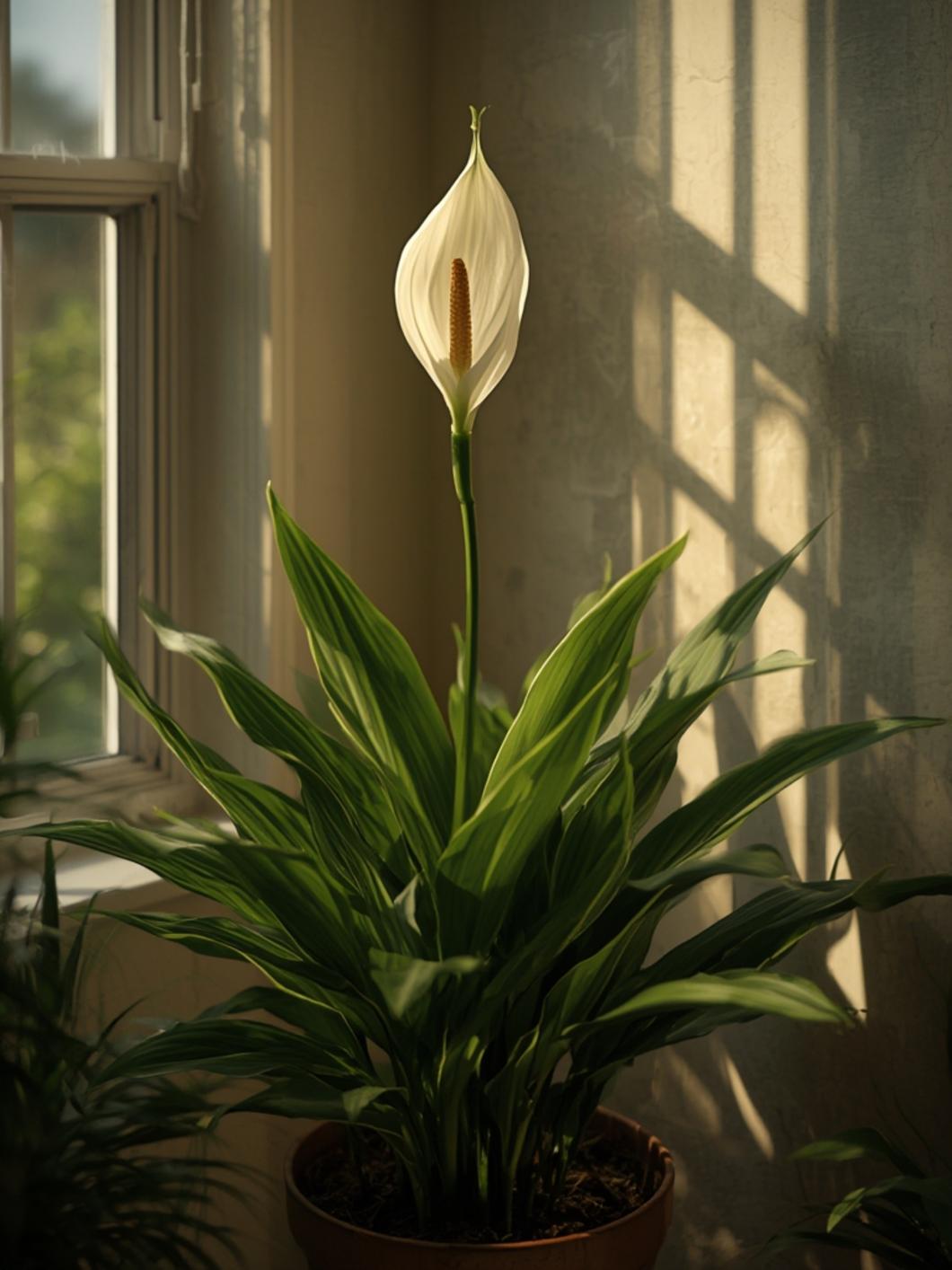
Best way to grow Peace lily plant with 7 Simple Tips
Table of Contents
Introduction


Indoor gardening enthusiasts often select the Peace lily plant for its elegant white blooms and air-purifying qualities. However, many plant parents eventually face the frustrating issue of peace lily brown tips, which can mar the otherwise stunning appearance of these tropical beauties. Understanding why these browning tips occur and how to remedy them is essential for maintaining a thriving specimen. This comprehensive guide will walk you through the most effective methods to diagnose, treat, and prevent this common problem, ensuring your Spathiphyllum maintains its lush, green foliage year-round.
Step-by-Step Instructions
1. Diagnose the Cause
First, examine your Peace lily plant carefully. Brown tips can result from several factors:
– Low humidity (most common)
– Improper watering (either too much or too little)
– Fluoride or chlorine in tap water
– Fertilizer burn
– Excessive sunlight
– Temperature stress
2. Adjust Watering Practices
Water your peace lily when the top inch of soil feels dry. Use room-temperature water and ensure proper drainage. Overwatering and underwatering both contribute to peace lily brown tips, so finding the right balance is crucial.
3. Improve Humidity
Peace lilies thrive in humidity levels of 50-60%. Try these methods:
– Group plants together to create a microclimate
– Place your plant on a pebble tray with water
– Use a room humidifier
– Mist the leaves regularly (though not as effective as other methods)
4. Address Water Quality
If your tap water contains chlorine or fluoride, consider:
– Letting water sit out overnight before using
– Collecting rainwater
– Using distilled or filtered water
5. Trim Damaged Portions
Using sterilized scissors, carefully trim the brown tips following the natural shape of the leaf. This won’t hurt the plant and improves appearance.
Tips
1. Maintain Consistent Care: Peace lilies prefer stability, so establish a regular care routine.
2. Monitor Light Exposure: These plants prefer bright, indirect light. Too much direct sunlight can scorch leaves.
3. Seasonal Adjustments: Reduce watering in winter when growth slows naturally.
4. Appropriate Fertilization: Feed with a balanced houseplant fertilizer at half-strength every 6-8 weeks during growing season. Avoid fertilizing in winter.
5. Regular Cleaning: Wipe leaves with a damp cloth to remove dust, which helps the plant photosynthesize efficiently.
Alternative Methods
Method 1: Repotting Solution
If brown tips persist despite adjusted care, your peace lily might be root-bound or have poor soil. Repot into fresh, well-draining potting mix with a pot 1-2 inches larger in diameter.
Method 2: DIY Humidity Cabinet
Create a humidity cabinet by placing your plant in a glass terrarium or under a clear plastic bag supported by stakes, being careful not to let plastic touch the leaves.
Method 3: Bottom-Watering Technique
Place your plant in a saucer of water for 15-30 minutes, allowing it to absorb moisture through drainage holes. This reduces the risk of overwatering and prevents mineral buildup.
Conclusion
With proper care and attention, you can effectively address peace lily brown tips and restore your plant to its full glory. Remember that this issue typically stems from environmental factors rather than diseases or pests. By adjusting humidity levels, improving water quality, and establishing consistent care habits, your Peace lily plant will reward you with lush foliage and those iconic white blooms.
Be patient during the recovery process – new growth will emerge healthy and vibrant when environmental conditions are optimized. Your dedication to understanding and addressing your plant’s specific needs demonstrates the true spirit of successful indoor gardening.Be patient during the recovery process – new growth will emerge healthy and vibrant when environmental conditions are optimized. Your dedication to understanding and addressing your plant’s specific needs demonstrates the true spirit of successful indoor gardening.